
Ant control Perth.
We treat the colony, not the trail.
Months of spraying and more ants than when you started? That is a coastal brown super-colony, and repellent spray makes it split. We use slow-acting non-repellents and baits that workers carry home.
- WA licence 13914
- 3-month re-treatment promise
- Typical $250–$400
- Species identified first
Why most Perth ant treatments fail.
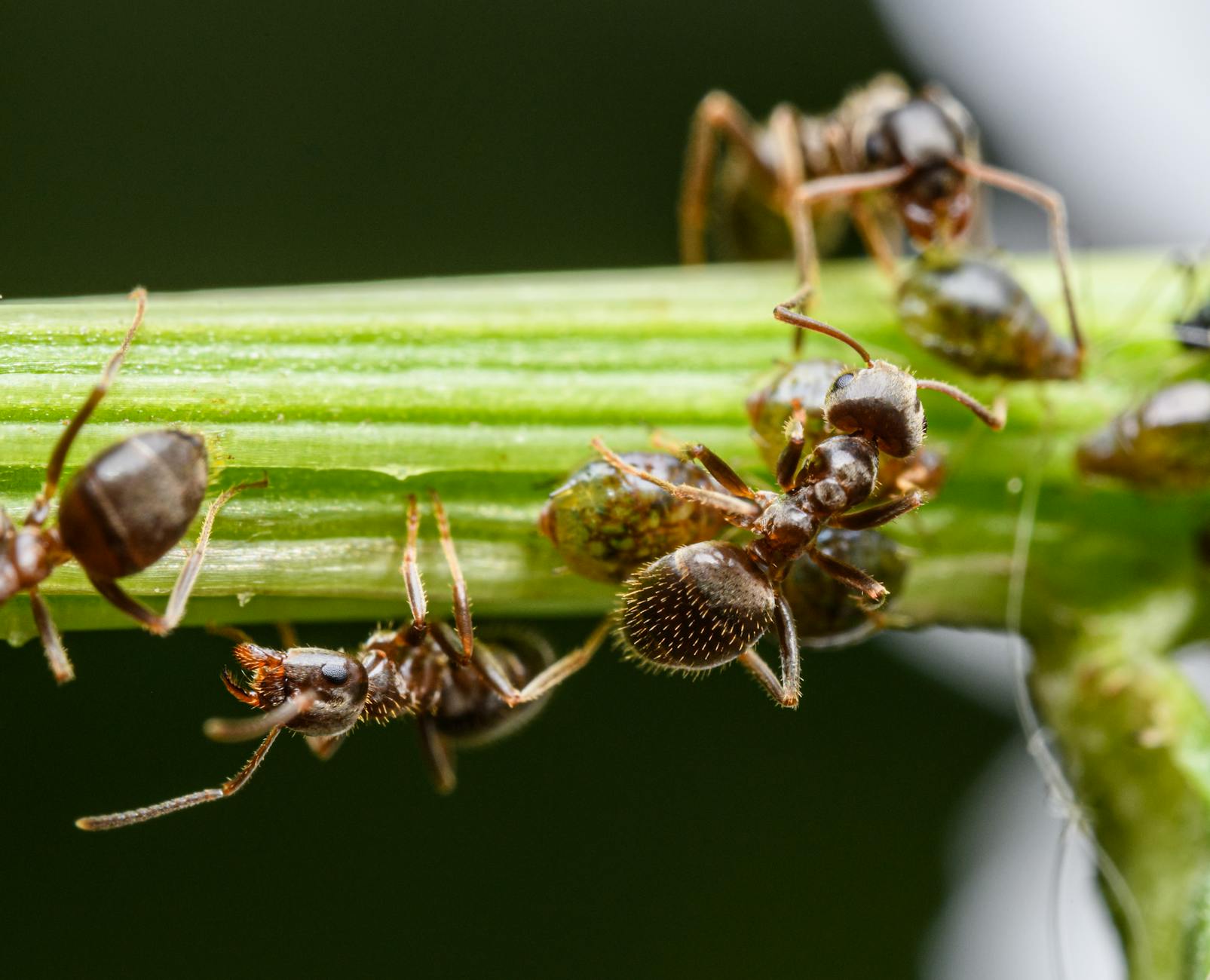
Perth's biggest ant problem is the coastal brown ant, Pheidole megacephala. It forms super-colonies: networks of linked nests that share queens, workers and food across hundreds of metres. Hit them with a repellent spray and the colony detects the threat and buds, splitting into satellite nests to escape. What was one nest under the patio becomes several across the property in weeks.
- Fine sandy mounds along paving joints, lawn edges and garden beds that reappear after rain or watering.
- Trails that shift to a new spot every time you spray.
- Ants in the kitchen or bathroom after wet weather, following moisture and food.
- Two sizes of worker on the same trail, small workers and larger big-headed soldiers.
- Heaviest along the coastal strip: Hillarys, Sorrento, Mullaloo, Ocean Reef, Mindarie, Quinns Rocks.
Not every ant is a coastal brown. White-footed house ants live in kitchens and bathrooms and need gel, not soil treatment. Sugar ants are large, slow and mostly outdoors. Bull ants near bush reserves have single nests that can be treated directly. We identify before we open a product, because the wrong chemistry on the wrong species is the reason the last treatment did not hold.
Slow-acting, non-repellent, carried home.
Identify and map
Species, trail direction, nest zones, entry points into the house and the moisture sources drawing them in. We photograph the map for your report.
Non-repellent external treatment
A slow-acting non-repellent such as fipronil is applied at label rate to nest zones, paving joints, lawn margins and the perimeter. Workers walk through it undetected, groom it and transfer it through the colony. Never mixed with a repellent in the same zone.
Gel inside, then prevention
Indoors, gel bait goes inside cabinetry and behind appliances, away from food-contact surfaces. We note the leaking tap, the pet bowl and the mulch against the wall that keep them coming, and put it in writing.
Typical ranges.
| Treatment | Typical range | Includes |
|---|---|---|
| External ant program (whole property) | $250–$400 | Identification, non-repellent treatment of nest zones and perimeter, gel indoors, report, 3-month promise |
| Ants within a general pest treatment | $250–$350 | Nuisance ants around the home; super-colonies need the program above |
| Bull ant nest (single nest) | Quoted | Direct nest treatment, usually near bushland |
Typical range, GST inclusive. Every job is quoted itemised in writing before we start. No call-out fee, no deposit, seven-day payment terms. See the full pricing guide.
What you get.
Treatment report
Species, nest map, products and rates applied, re-entry period and a prevention plan for the moisture and food sources drawing them in.
Treatment record
Kept three years under the Health (Pesticides) Regulations 2011 and yours on request.
Three-month re-treatment promise
If active trails return to the treated zones within three months, we come back at no charge.
Before we arrive.
- Stop spraying. Repellent spray in the week before treatment scatters the colony and hides the trails we need to see.
- Leave the trails alone. We want to see where they run.
- Put away food, pet bowls and bins, and wipe benches.
- Turn retic off the night before so soil treatments are not flushed.
- Unlock side gates and note where the worst mounds are.
- Kids and pets stay off treated soil and paving until the re-entry period we advise has passed.
Related: General pest treatment · Pricing guide · Ant blog posts
Ant control FAQ.
Why has spraying made my ant problem worse?
Because you are probably dealing with a coastal brown ant super-colony. Repellent sprays, including the supermarket ant killers and bifenthrin perimeter sprays, trigger budding: the colony splits into satellite nests to escape the threat. One nest under the patio becomes several across the yard within weeks. The fix is a slow-acting non-repellent such as fipronil, or a bait, that workers do not detect and carry back to the queens.
How long does ant baiting take to work?
Expect more ants for the first three to seven days as workers recruit nest-mates to the bait. That is the bait working. Activity drops sharply by the second week. Full collapse of a super-colony typically takes four to six weeks. Small, localised colonies clear in one to two weeks.
What is a coastal brown ant super-colony?
Coastal brown ants (Pheidole megacephala) form linked networks of nests that share queens, workers and food across hundreds of metres, with no aggression between nests. In the northern suburbs they thrive in sandy soil, paving joints, garden-bed edges and lawn margins, and they are heaviest along the coast from Hillarys to Mindarie. You cannot find the nest because there are dozens.
Can you treat ants in the kitchen?
Yes. Indoors we use gel bait placed inside cabinetry, behind appliances and along the hinge side of kickboards, away from food-contact surfaces. We do not spray kitchen interiors with a residual for ants; gel is more effective and keeps product off benches.
What about kids and pets during an ant treatment?
Gel placements go where fingers and paws do not reach. External non-repellent treatment is applied to soil, paving joints and nest zones at label rate. Kids and pets stay off treated areas until the re-entry period we advise has passed, usually once surfaces are dry.
Will the ants come back?
Coastal brown ants re-invade from neighbouring properties, so pressure never drops to zero on the coast. Our external ant program carries a three-month re-treatment promise on the treated zones. For properties with chronic pressure, an annual spring top-up is realistic and we say so rather than sell a quarterly plan.
Which ant species are common in Perth's northern suburbs?
Coastal brown ant (super-colonies, the most common call), white-footed house ant (kitchens and bathrooms, moisture-seeking), sugar ant (large, slow, sweet feeders, mostly outdoors), Argentine ant (an invasive super-colony species restricted to some Perth zones), and bull ants near bushland. The species decides the chemistry, which is why we identify first.
Get the ants treated properly.
Tell us the suburb and where the trails run. Text a photo if you can. We will identify the species and send an itemised price.
Prefer to talk? Call 0447 747 769
Or text photos of the pest or droppings to 0447 747 769 and we'll identify it.