
Rodent control Perth.
Bait the runs, then seal the gaps.
Noises in the roof at night? We identify the species, map every entry point, place locked tamper-resistant stations, and give you a sealing plan so the roof stays quiet after the bait is gone.
- WA licence 13914
- 3-month re-treatment promise
- Typical $220–$380
- Follow-up visit scheduled
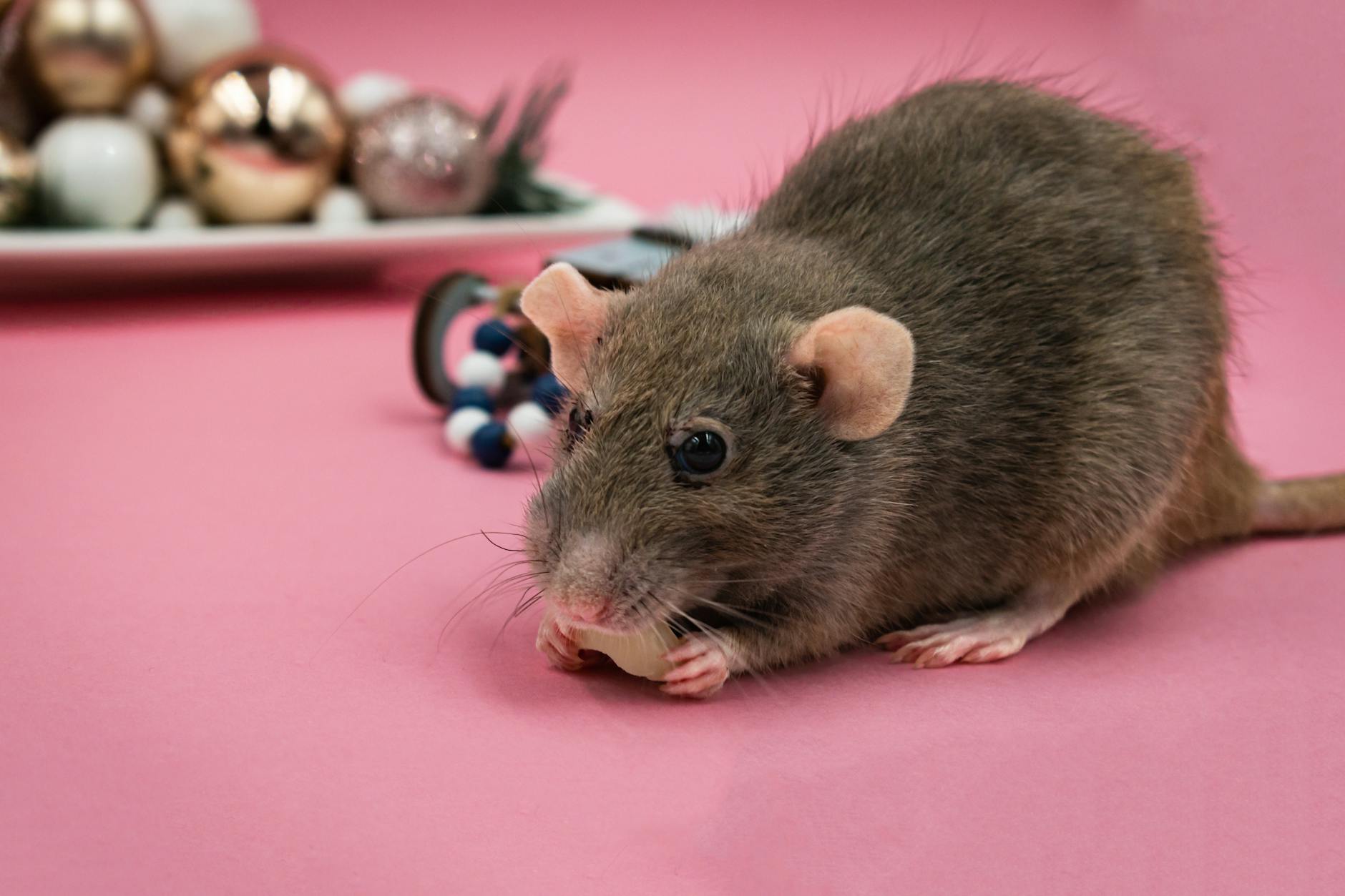
Rats, mice, and why winter is the season.
Three species cover almost every rodent call in Perth's northern suburbs. Black rats (Rattus rattus) are climbers: they enter roof voids along gutter lines, eaves and unsealed roof penetrations, and they are the usual reason for the scratching above the bedroom at 2 am. Norway rats (Rattus norvegicus) are larger, ground-based and prefer sub-floors, drains and burrows under sheds. House mice (Mus musculus) need a gap the width of a pen and a little dropped food.
- Scratching, scurrying or gnawing in the ceiling, usually from dusk.
- Droppings in the roof void, garage, pantry, under the sink or along the fence line.
- Gnaw marks on cables, sarking, pet-food bags and fruit on the tree.
- Grease rubs along a wall or beam where a rat runs the same route each night.
- A pet suddenly fixated on one corner of the kitchen or the ceiling.
Rodents do not come inside for shelter alone. They come for food and water. A dripping tap, an open compost bin, fallen citrus or a bird feeder does more to keep them than any gap in the eaves. We look at why before we treat what.
Identify, map, station, seal, follow up.
Identify the species and map the entry points
Black rat, Norway rat or mouse changes the station, the bait and the placement. We inspect the roof void where safe, the sub-floor, garage and perimeter, and map every gap: gutter joints, eave gaps, roof penetrations, sub-floor vents, garage door seals, conduit entries.
Tamper-resistant stations and traps
Locked, anchored stations with an APVMA-registered rodenticide block go on the external runs and in the roof void. Inside the living space, where pets or kids are present, we use covered snap traps to avoid secondary poisoning. Every placement is numbered and listed.
Proofing and the follow-up
Simple seals such as mesh over an eave gap or a conduit escutcheon are done on the day. Larger sealing work is quoted. A follow-up visit checks consumption, repositions stations along the runs and confirms the house has gone quiet.
Typical ranges.
| Service | Typical range | Includes |
|---|---|---|
| Rodent program (initial visit) | $220–$380 | Inspection, species ID, two tamper-resistant stations, entry-point map and proofing advice, report, 3-month promise |
| Follow-up check | $90–$140 | Consumption check, re-bait, reposition, confirm clearance |
| Additional stations | Itemised | Per station, placed and recorded |
| Entry-point sealing | Quoted | Mesh, sealant, escutcheons; simple seals included on the day |
Typical range, GST inclusive. Every job is quoted itemised in writing before we start. No call-out fee, no deposit, seven-day payment terms. See the full pricing guide.
What you get.
Treatment report
Species, an entry-point audit with photos, every station and trap numbered on a plan, product and rate, and a prevention plan split into what we did and what is yours to fix.
Treatment record
Kept three years under the Health (Pesticides) Regulations 2011 and yours on request.
Three-month re-treatment promise
If rodent activity returns inside the baited areas within three months, we return at no charge. Stations remain ours and are collected when the program ends unless you keep them on a check schedule.
Before we arrive.
- Clear access to the roof manhole and, if there is one, the sub-floor hatch.
- Remove any supermarket baits you have put down so we can read the runs and avoid doubling up.
- Put pet food away overnight, pick up fallen fruit, and lid the compost.
- Note where you hear the noise and at what time. It tells us the species and the run.
- Unlock side gates, the garage and the shed.
- Keep pets secured while we work in the roof and along the perimeter, and away from station positions we point out.
Related: General pest treatment · Pricing guide · Rodent blog posts
Rodent control FAQ.
How do I tell if I have rats or mice?
Rats leave droppings 8 to 12 mm long, gnaw holes the size of a 50-cent coin and thump across the roof void at night. Mice leave rice-grain droppings of 3 to 6 mm, gnaw smaller holes and scurry. Black rats, the usual northern-suburbs roof invader, are climbers; Norway rats are ground and sub-floor animals. Treatment differs, so we identify first.
How long until the rats are gone?
Most domestic jobs settle within two to three weeks. Rats are neophobic: they avoid new objects in their territory for several days, so a station that looks untouched at day five is normal, not a failure. Mice usually feed within a day or two. The follow-up visit checks consumption and repositions stations along the runs.
Is baiting a risk to pets and kids?
Baits go only in locked, tamper-resistant stations anchored in place and positioned where children and pets cannot reach the block. Inside the house, where pets or kids are present, we prefer snap traps in covered boxes to avoid a pet catching a poisoned rodent. Every placement is listed on your report and we brief you on what to watch for.
Will they come back?
Almost every re-infestation is an unsealed entry point. A rat needs a gap about the size of a 20-cent coin; a mouse gets through a gap the width of a pen. We map every gap we find and give you a sealing plan, do the simple seals on the day, and quote anything larger. Rodent baiting carries a three-month re-treatment promise.
Do you go into the roof void?
Yes, where the manhole and clearance make it safe. Most northern-suburbs rat activity is black rats in the roof, entering at gutter joints, eave gaps and unsealed roof penetrations. We inspect the void, place stations or traps there, then seal externally.
What does rodent control cost in Perth?
A rodent program with the initial visit, two tamper-resistant stations and a written proofing plan typically runs $220–$380. Follow-up checks are $90–$140. Additional stations, roof or sub-floor access and sealing work are itemised on the quote.
Why do rodents come inside in winter?
Warmth and food. Perth's May to August rains push rats and mice out of bush margins and garden beds toward roof voids and garages, and a dripping tap or a pet bowl left out overnight keeps them there. Sealing entry points before winter beats baiting in July.
Get the roof quiet again.
Tell us the suburb, where the noise is and whether you have pets. We will send an itemised price and a time, usually within a day or two for active rodents.
Prefer to talk? Call 0447 747 769
Or text photos of the pest or droppings to 0447 747 769 and we'll identify it.